







Search Results for: Emerald Coffee Beans

Exploring the Origins of Panama's Hacienda La Esmeralda Geisha Coffee: A Full Breakdown of the Red, Green, and Blue Grading and the Plots
Geisha coffee has frequently appeared in major coffee competitions in recent years, and Panama's Hacienda La Esmeralda is undoubtedly the most renowned representative of this variety. Front Street Coffee not only offers Geisha from Hacienda La Esmeralda in Panama, but also beans from Gesha Village in Ethiopia, the birthplace of Geisha, though the latter still falls slightly short in flavor expression. This article will systematically trace the spread of Geisha coffee from the forests of Ethiopia to the world, detail the rise of Hacienda La Esmeralda, and analyze one by one the grading standards and flavor differences of the three tiers—Red Label, Green Label, and Blue Label. It will also provide in-depth introductions to the geographical characteristics of the three major Geisha growing plots: Jaramillo, Cañas Verdes, and El Velo. Finally, it will include Front Street Coffee's brewing suggestions and flavor descriptions, offering coffee enthusiasts a complete guide to Geisha knowledge. [more…]
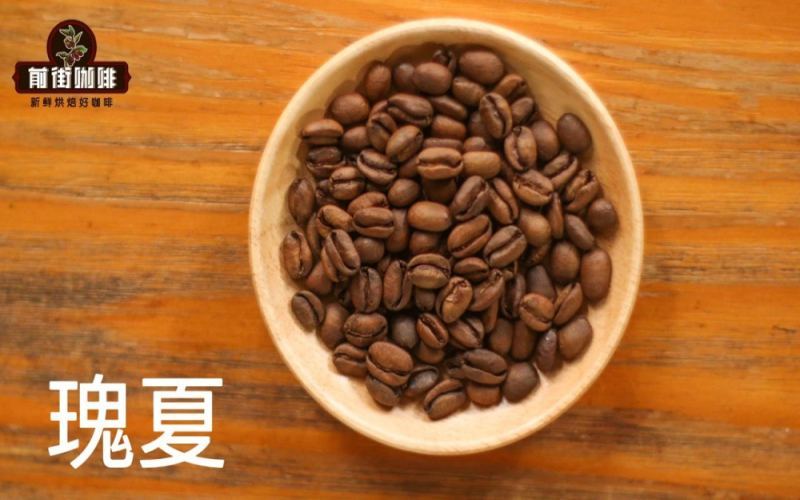
Panama Hacienda La Esmeralda Geisha Coffee: An Analysis of the Flavor Differences Between the Red, Green, and Blue Label Grades and the Auction Journey
Hacienda La Esmeralda in Panama is the driving force behind Geisha coffee's rise to global fame and the estate that has brought Geisha quality grading to its ultimate extreme. This article will trace the estate's rise, detail the criteria behind its three Geisha grades—Red Label, Green Label, and Blue Label—including their elevation requirements, plot sources, and flavor profiles, and explain the differences between the washed and natural processing methods. The article also compiles Front Street Coffee's brewing recommendations and flavor descriptions for three Hacienda La Esmeralda Geisha coffees, for coffee enthusiasts to reference and compare. [more…]
Why Is Geisha Coffee Called the Most Expensive Coffee Bean? A Full Analysis of Hacienda La Esmeralda Red, Green, and Blue Label Prices and Pour-Over Parameters
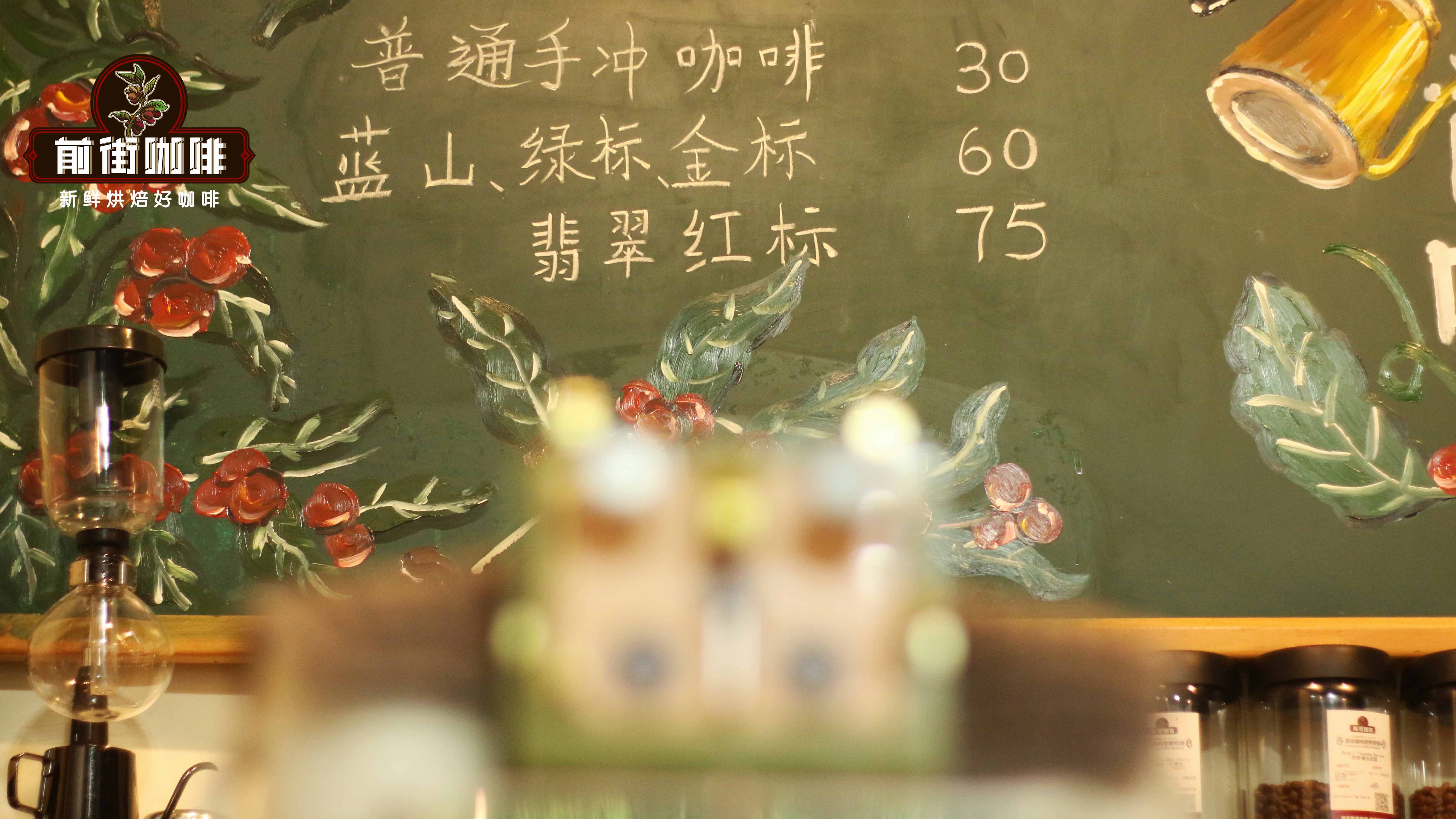
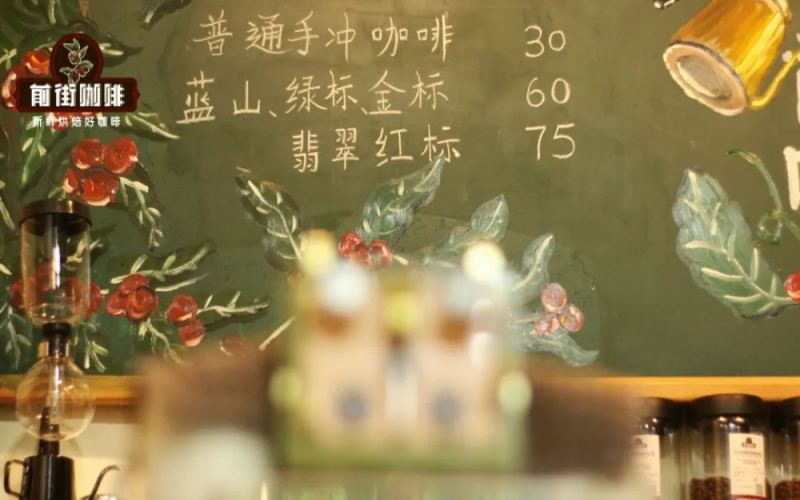
Geisha coffee has always been the unattainable dream in the hearts of coffee lovers; its elegant and refined flavors have captivated even the most seasoned connoisseurs who favor the rich, full-bodied taste of Mandheling. Just what makes this high-quality coffee so expensive? How much does a cup of pour-over Geisha cost? Front Street Coffee's Emerald Red Label Geisha freshly ground pour-over is priced at 75 yuan, while the Green Label is 60 yuan. This article will systematically sort out the varietal origins of Geisha, the Red-Green-Blue label grading system of Panama's Emerald Estate, the growing environment of Debora Estate, and the flavor characteristics and brewing suggestions for each grade of Geisha, helping readers gain a comprehensive understanding of where the value of this precious variety lies. [more…]
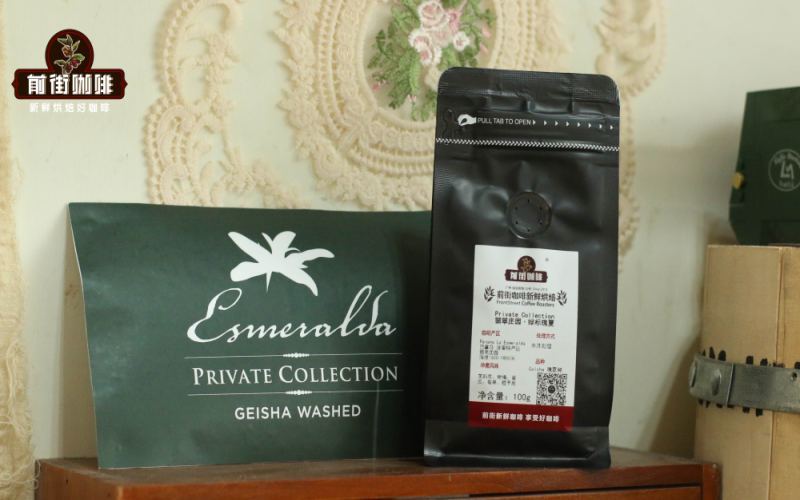
Front Street Emerald Estate Red Label Geisha Roasting Guide: How to Release Tea Notes and Floral Aromas Through Profile Control
Geisha coffee from Panama's Emerald Estate has always been renowned for its refined floral aroma and tea-like character, and Front Street Coffee's Emerald Red Label Geisha is a higher-tier representative among them. To preserve and highlight these signature flavor characteristics as much as possible during roasting, precise control is needed over the charge temperature, heat intensity, airflow damper, and key milestones such as dehydration and first crack. This article will break down the roasting process of Front Street Coffee's Emerald Red Label Geisha in detail, from charging at a drum temperature of 150°C to dropping at 189.5°C, explaining the adjustment logic at each stage step by step, and providing a complete description of the dry aroma, wet aroma, and palate flavors, to help coffee enthusiasts understand how to fully release the tea-like character and floral notes through the roasting curve. [more…]
A Complete Guide to Geisha Coffee Bean Price Tiers: From Emerald Red Label to Volcanic Rock Blue Label – Flavor and Pour-Over Experience
Geisha coffee beans are hailed as the white moonlight of coffee lovers, conquering countless palates with their elegant and refined flavors. But what grade does Geisha actually belong to? How much does a cup cost? What are the flavor differences among different grades of Geisha? This article will analyze the price and flavor characteristics one by one, from Front Street Emerald Red Label and Green Label to Volcanic Rock Blue Label, and take an in-depth look at the cultivation background of Panama's Hacienda La Esmeralda and Deborah Estate. At the same time, we will also share the pour-over parameters and brewing techniques for Front Street Panama Geisha coffee beans, helping you understand more comprehensively the charm of this "precious" variety. [more…]
A Complete Guide to Geisha Coffee: Pour-Over Methods, Flavor Characteristics, and Variety Origins
Geisha coffee holds an almost legendary status in the specialty coffee world, and people often joke that specialty beans come in only two kinds—Geisha and everything else. Why is it so expensive? What exactly makes its flavor so unique? And how do you tell Red Label from Green Label? From the perspective of Front Street Coffee, this article systematically sorts through Geisha's varietal origins, its rise to fame, and its flavor characteristics, and also shares in detail Front Street's hand-brew parameters and three-stage extraction steps for Emerald Estate Geisha, helping coffee lovers gain a more comprehensive understanding of this bean and offering some reference ideas for brewing it themselves. [more…]
Panama Emerald Red Label vs. Gesha Village Gold Label: A Side-by-Side Comparison—Which of the Two Top Geshas Is More Worth Buying?
Geisha coffee has always been a top-topic in the specialty coffee world, and on Front Street Coffee's bean list, Hacienda La Esmeralda's Red Label and Gesha Village's Gold Label are exactly the two that many enthusiasts find themselves torn between when first encountering Geisha. These two beans each represent the highest grade of their respective estates, yet because of the "red" and "gold" in their Chinese names, many people can't tell which is which. They differ not only in price, but also in variety origin, growing terroir, and flavor performance. This article systematically sorts out the similarities and differences between these two top Geishas for Front Street Coffee's customers—from naming logic and variety tracing to origin environment and actual cupping comparison—to help you find the cup that suits you best. [more…]
Analysis of Colombian Emerald Coffee Varieties: Grade Classification of Select and Supremo and Flavor Characteristics
Colombian coffee is one of the few single-origin coffees sold under a country's name, and is hailed as "Emerald Coffee" for its exceptional quality. This article takes an in-depth look at the varietal characteristics of Colombian Emerald Coffee, the grading standards for Supremo and Excelso, and the flavor differences across growing regions. It also introduces Finca AF in Bolívar, Antioquia, telling the story of its family heritage and unwavering pursuit of quality. Through tasting specialty Colombian coffee, you can experience its rich, full-bodied aroma, bright and fine acidity, and high balance. Finally, Front Street Coffee will share V60 dripper brewing parameters and techniques to help coffee lovers recreate the classic Colombian flavor at home. [more…]
Panama Hacienda La Esmeralda Geisha Coffee Flavor Analysis and Brewing Guide: Is It Suitable for Beginners?
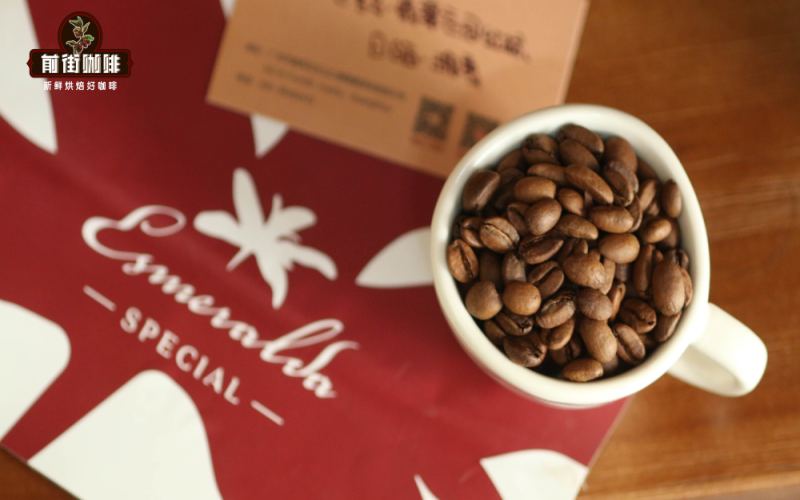
Geisha coffee, with its delicate floral aroma and rich layers, has become a favorite among many coffee enthusiasts, and Front Street Coffee's Hacienda La Esmeralda Geisha is a popular choice for both gifting and personal enjoyment. But why is Geisha so expensive? And how should a high-quality Esmeralda Geisha be brewed to showcase its best flavors? This article will start with the terroir conditions of the Panama growing region and the cultivation characteristics of the Geisha variety, analyzing the reasons behind its high price, and share Front Street's pour-over parameters and three-stage extraction steps. At the same time, for different budgets and needs, Front Street offers a range of options from Red Label and Green Label to entry-level Boquete Geisha, so whether you're a beginner or an advanced player, you can find the perfect cup for you. [more…]
Front Street Coffee Emerald Red Label Geisha Pour-Over Full Analysis: Medium-Fine Grind Parameters, Pulse Extraction, and Iced Pour-Over Method
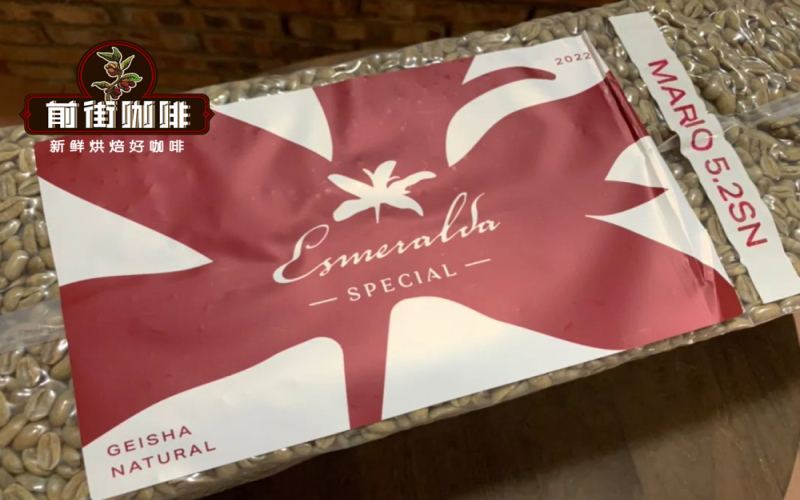
Geisha coffee has always been celebrated for its richly layered flavors and elegant fruit acidity, and Hacienda La Esmeralda's Red Label Geisha is the finest representation of them all. This article focuses on Front Street's Emerald Red Label Geisha, first introducing Hacienda La Esmeralda's grading system and the story behind Red Label Geisha, then breaking down a complete set of pour-over parameters in detail, including dripper selection, water temperature, coffee-to-water ratio, grind standard, and the three-stage pouring rhythm. After that, it shares a specific method for making iced pour-over with the same bean, explaining everything from ice quantity and grind size to pouring technique, helping you consistently brew a cup of Geisha coffee with floral notes, citrus, and a tea-like body at home. [more…]
Panama Red Label Geisha and Colombia Hacienda La Esperanza Geisha: A Comprehensive Analysis of Origin Estates, Grade Classification, and Pour-Over Brewing
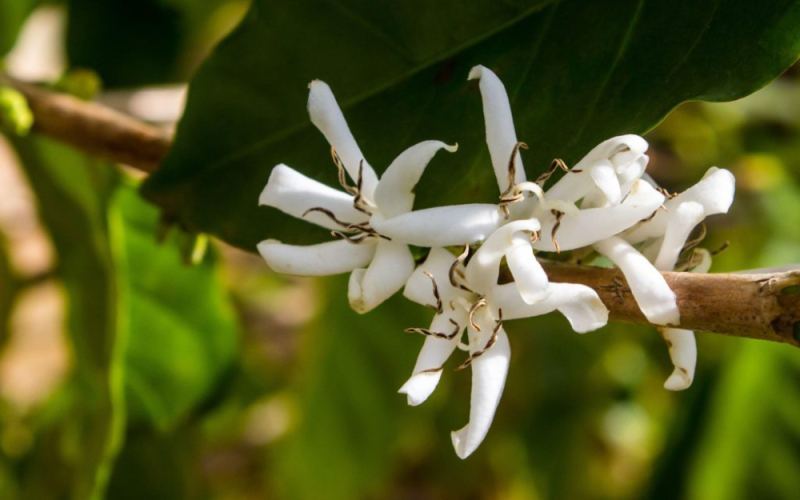
Geisha coffee is widely recognized as the most exceptional coffee variety in terms of flavor today, but the quality of Geisha produced in different regions and on different estates varies significantly. This article will systematically trace the journey of Geisha from the forests of Ethiopia to the world, focusing on the grading system and flavor characteristics of Panama Hacienda La Esmeralda's Red Label, Green Label, and Blue Label, and extending to the Geisha performance of Colombia's Finca La Esperanza. At the same time, drawing on Front Street Coffee's practical brewing experience, it offers brewing parameters and technique suggestions for different Geishas, helping coffee enthusiasts gain a more comprehensive understanding of this variety's origin logic and key tasting points. [more…]
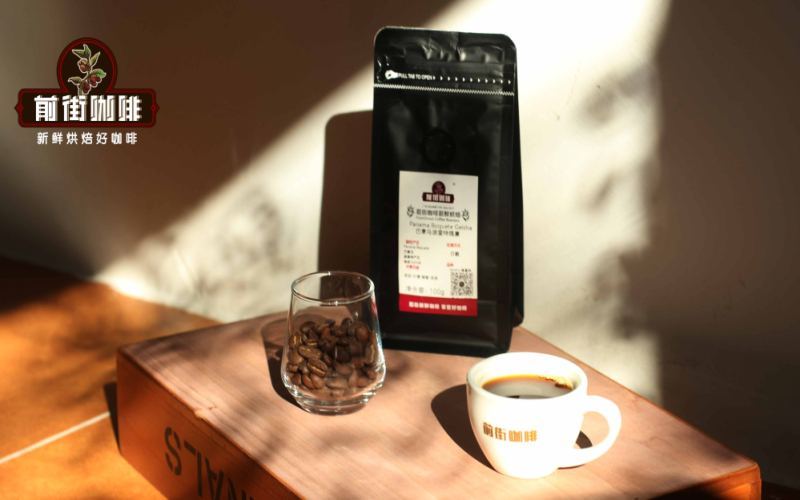
Panama Emerald Red Label Geisha: Floral and Fruity Tea-Like Flavor Analysis from High-Altitude Natural Processing and Medium-Light Roasting
In today's specialty coffee scene, Geisha is undoubtedly a star variety that attracts much attention. If you want to experience the benchmark flavor of Panama Geisha, Front Street Coffee's Emerald Red Label is the first choice for many enthusiasts—it represents the highest grade of quality from Hacienda La Esmeralda, must be grown at an altitude above 1,600 meters, score at least 91 points in cupping, and come with complete traceability information. Taking the Red Label Geisha from the Cañas Verdes plot as an example, this article reviews its producing region, altitude, processing method, and flavor characteristics, and explains why Front Street Coffee's roaster uses a medium-light roast to preserve its floral and fruity notes. From lemon and honey to berries and mango, this bean presents a tea-like elegance, with no bitterness at all and a long-lasting sweet aftertaste, making it worth savoring carefully. [more…]
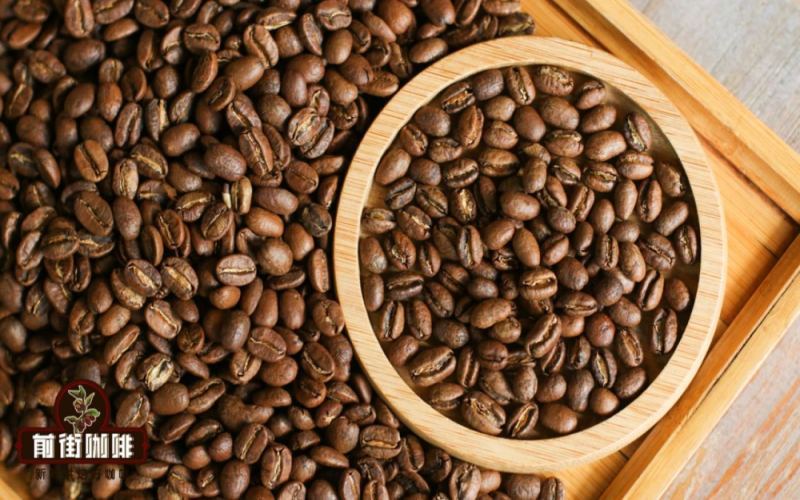
The Complete Guide to the Geisha Variety: Why Is Panamanian Geisha So Expensive? How to Choose Light to Medium Roasts
There are many varieties of Geisha coffee, from Panama to Ethiopia, Colombia, and Peru, with different origins, estates, and grades combining to create coffee beans of distinct styles, with prices ranging from a few dozen to several hundred. This article uses the 8 Geisha coffees available at Front Street Coffee stores as examples to outline the origin, estate, grade, and flavor characteristics of each, and to share a unified light-medium roast brewing parameter and tasting experience. Whether you want to experience the classic Geisha flavor or explore new flavors, you can find an option that suits you. [more…]
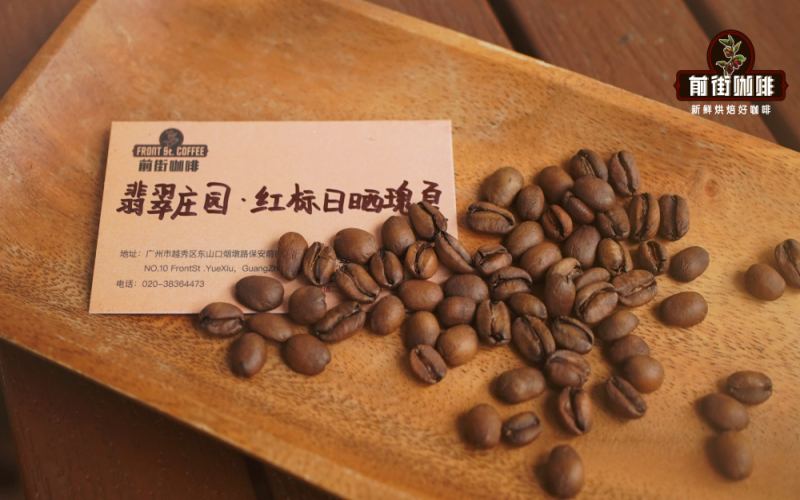
A Complete Guide to Panama Hacienda La Esmeralda Geisha Coffee Beans: Red Label vs. Green Label Differences, Roasting, Grinding, and Pour-Over Parameters
Geisha is hailed as the champion among coffee varieties, and the Geisha produced by Hacienda La Esmeralda in Panama is the benchmark among them. This article focuses on Front Street's Esmeralda Red Label and Green Label Geisha, sorting out the differences between the two in terms of origin, auction attributes, pricing positioning, and flavor performance, to help coffee lovers make a choice based on their own needs. At the same time, the article provides a detailed introduction to Front Street's medium-light roasting approach for Geisha, methods for judging grind size, as well as the pour-over extraction parameters and three-stage pouring steps for Esmeralda Green Label, offering actionable reference for readers who want to recreate the classic Geisha flavor at home. [more…]
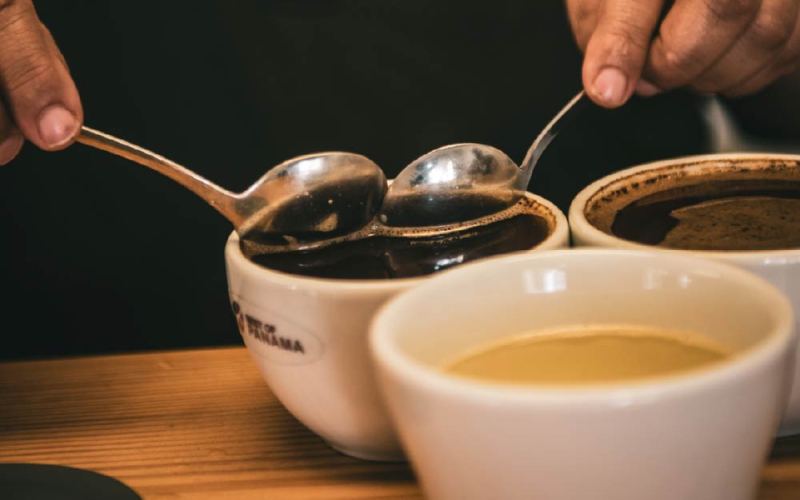
Origins of the Geisha Coffee Bean Variety from Hacienda La Esmeralda and Analysis of Its Pour-Over Flavor: Differences Between Red Label and Green Label Grades and Key Brewing Points
Geisha coffee is hailed as the shining pearl of the specialty coffee world, and its rich floral aroma and citrus notes have captivated countless enthusiasts. Starting from the origin of the variety and the discovery journey at Hacienda La Esmeralda, this article explains in detail the reasons behind the high price of Geisha coffee, including scarce production, delicate plants, and the difficulty of growing it at high altitudes. At the same time, it systematically compares the grade differences, processing methods, and flavor performance of Red Label and Green Label Geisha, and shares the pour-over parameters and three-stage extraction steps for Front Street Emerald Geisha coffee beans, helping readers fully understand the unique charm of this legendary variety and the key points of brewing it. [more…]
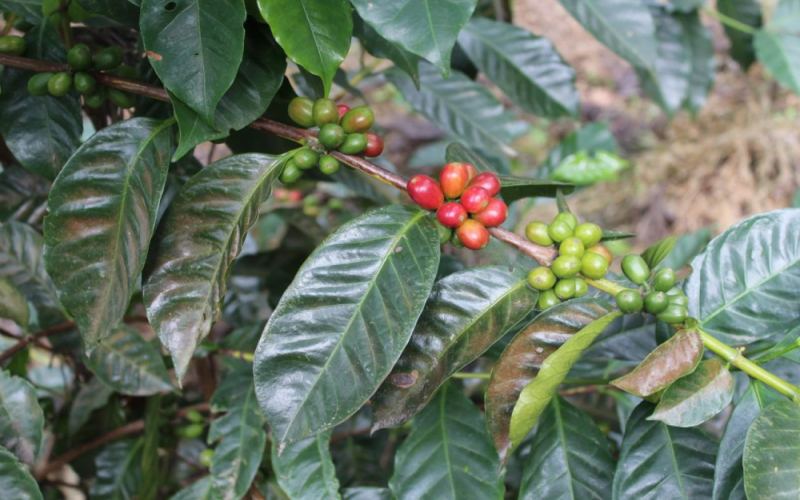
Complete Guide to Panama Hacienda La Esmeralda Geisha Coffee: Red, Green, and Blue Label Differences, Natural and Washed Flavors, and Pour-Over Parameters
Geisha coffee, with its intense floral aroma, citrus fruit notes, and tea-like body, has long occupied the top of the specialty coffee price range. This article, from the perspective of Front Street, traces Geisha's journey from its discovery in Ethiopia to its rise to fame in Panama, focusing on how Hacienda La Esmeralda pushed Geisha to the pinnacle of specialty coffee, and breaks down the positioning and flavor differences of its three major brands: Red Label, Green Label, and Volcanic Rock (Blue Label). It also compares the effects of washed and natural processing on Geisha's flavor, and finally provides Front Street's complete brewing parameters and three-stage pouring method for the washed Emerald Green Label, helping coffee enthusiasts understand how to brew a clear Geisha flavor and avoid wasting precious beans. [more…]
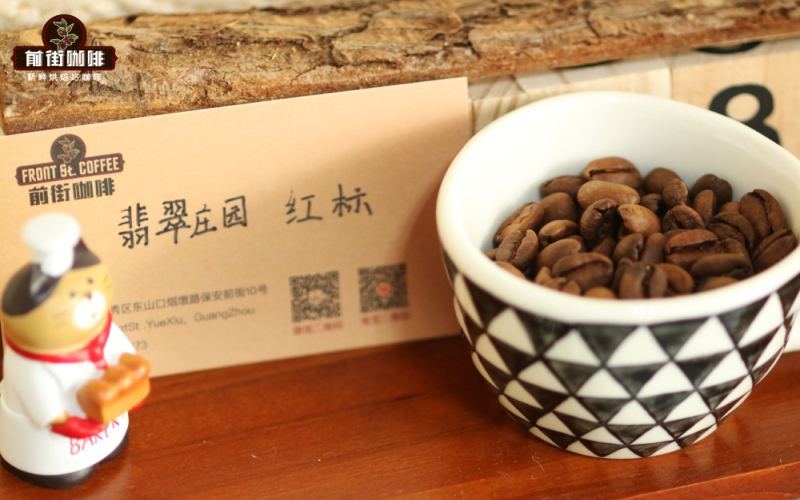
A Complete Analysis of Hacienda La Esmeralda Geisha Grades: Flavor Differences Between Red, Green, and Volcanic Rock Labels and Pour-Over Parameters Explained
Panama's Hacienda La Esmeralda rose to fame with Geisha at the 2004 Best of Panama competition, and was the first to establish a strict grading system. The three grades—Red Label, Green Label, and Volcan Rock (formerly Blue Label)—each correspond to different elevations, cupping thresholds, and processing methods, with distinct flavor profiles. Front Street Coffee's bean list features all three Esmeralda Geishas, and this article will go through the estate's grading logic, plot traceability, processing techniques, and light-roast approach one by one, along with the complete pour-over parameters and three-stage extraction steps for Front Street's Red Label Natural Geisha, to help coffee enthusiasts understand the flavor directions and extraction key points of different Geisha grades. [more…]
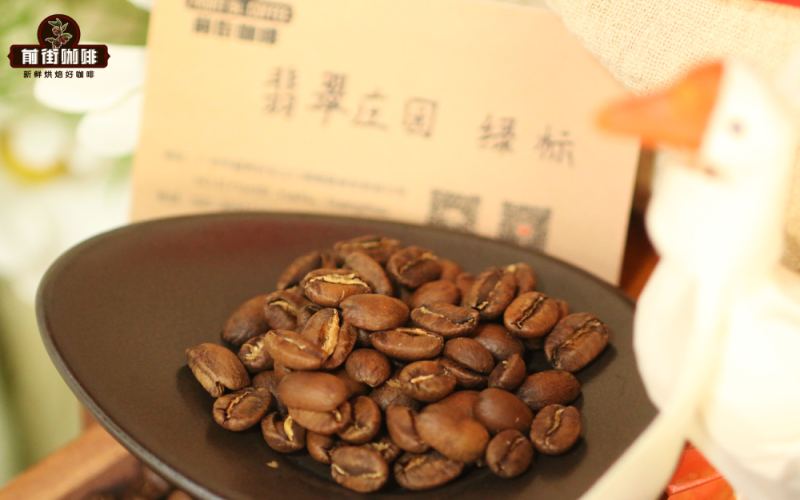
Panama Hacienda La Esmeralda Geisha Cold Drip Brewing Guide: Green Label Flavor Analysis and Price Reference
Geisha coffee is renowned worldwide for its elegant floral aroma and complex fruity notes, but its high price also deters many enthusiasts. From the perspective of Front Street, this article reviews the historical origins of the Geisha variety, the grade differences between Emerald Estate's Red Label and Green Label, and the reasons why Geisha prices remain so high. At the same time, Front Street will use Emerald Green Label Geisha as an example to demonstrate in detail the brewing parameters and operating steps for cold drip coffee, and share the white floral, orange, blueberry, and green tea flavors this bean presents under low-temperature extraction. If you are planning to buy a high-quality Geisha, or want to try making cold drip at home, this article is worth reading. [more…]

Can Geisha Coffee Be Used to Make Espresso? A Guide to Panamanian Geisha SOE Flavor Analysis and Extraction Parameters
Geisha coffee has been highly sought after in recent years, but is it suitable for making espresso? Starting from the origins and flavor characteristics of the Geisha variety, this article analyzes why competitors in barista competitions favor Geisha, and offers pour-over recommendations for Front Street Coffee's Emerald Estate Green Label Geisha. At the same time, addressing the bean selection and extraction challenges of Geisha SOE, it introduces the medium-roast positioning, flavor performance, and specific espresso parameters of Front Street Coffee's Grana Geisha SOE, helping coffee enthusiasts find a balance between cost and flavor, so they can make a cup of Geisha Americano or latte with clear floral and fruity notes at home. [more…]
Luckin's Bean Hunting Journey Ventures into Sumatra, Indonesia: Wet-Hulled SOE "Emerald" Set to Debut
After Ethiopia and Panama, Luckin Coffee's bean-hunting team chose the Karyo Highlands of Sumatra, Indonesia, as their third stop. The team, led by Pan Zhimin, champion of the 2017 World Barista Championship China region and Luckin's chief coffee master, selected a wet-hulled coffee bean by Lake Tawa and named it "Emerald," which is scheduled to join the SOE Little Black Cup series on the 25th of this month. As Indonesia is the first bean-hunting stop in Asia, its unique wet-hulling process and tropical rainforest terroir give this coffee a cup profile of cherry, cane sugar, caramel, and cedar. This article will guide you through the regional characteristics of Indonesian coffee, the origins of the wet-hulling process, and the behind-the-scenes details of Luckin's bean-hunting trip. [more…]